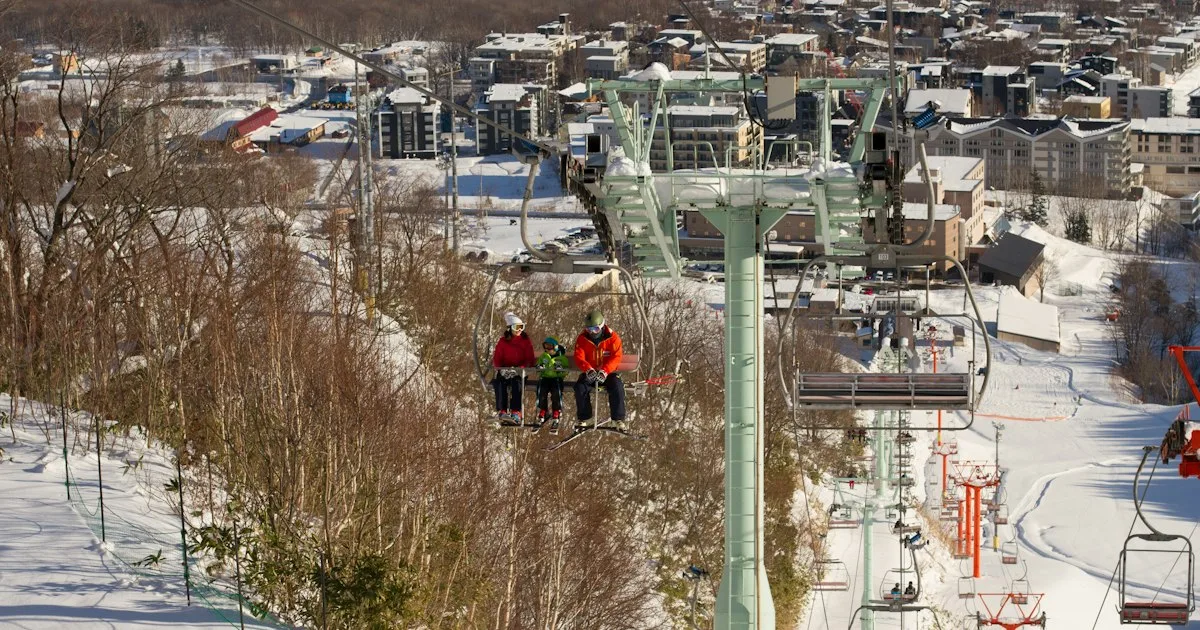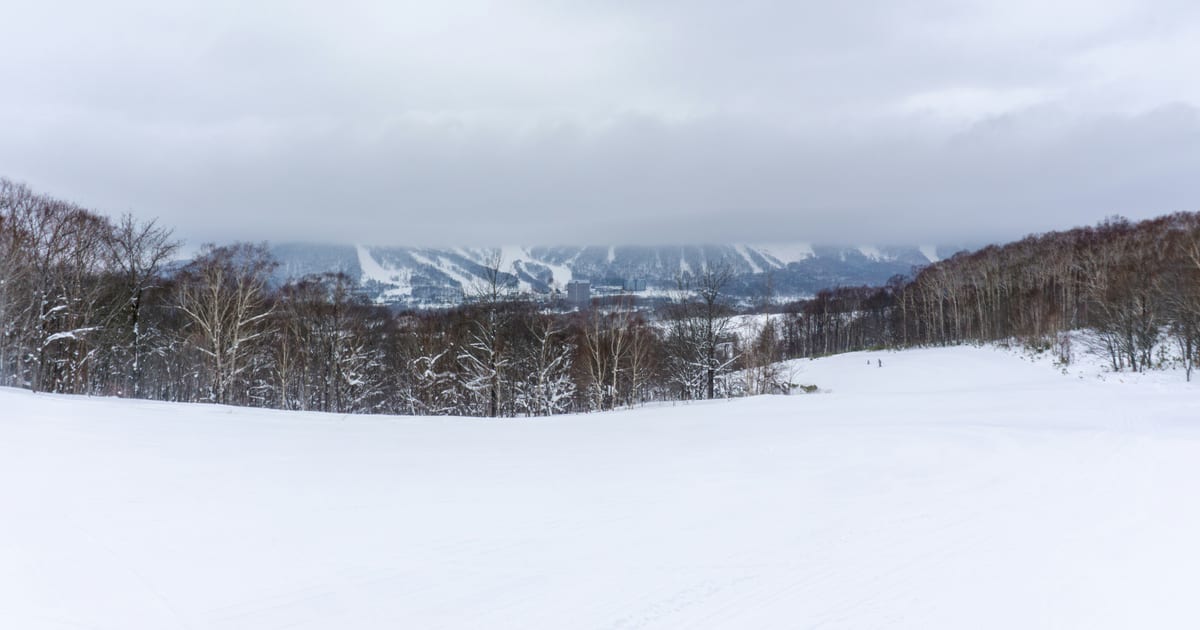
Hokkaido ski resort jobs are not limited to Niseko. Rusutsu, Furano, Kiroro, Tomamu and Sahoro all hire seasonal staff every winter, mostly in resort hotels, restaurants, rental shops and lift operations, and each offers a quieter, more local season than Niseko with the same famous powder.
Why look beyond Niseko?
Niseko is the obvious first choice for a ski season in Hokkaido, and for good reason: it has the widest choice of roles and the biggest international community. But it is also the busiest and most expensive place on the island, and for some people a smaller resort makes for a better winter. Here is what the other resorts tend to offer instead:
- More time on the snow: with fewer distractions and shorter journeys from staff housing to the lifts, many people find they ride more.
- A closer team: smaller seasonal crews mean you get to know your colleagues, Japanese and international, much better.
- More Japanese practice: fewer overseas guests means you hear and use more Japanese, which is a real advantage if learning the language is one of your goals.
- A different side of Hokkaido: farm towns, quiet valleys and inland mountains that most visitors never see.
The trade-offs are real too. There are fewer employers to choose from, less nightlife, and in some places you will need more Japanese to get started. If you are still deciding between regions, our guide to the best ski resorts in Japan to work compares Hokkaido with Hakuba and the rest of the country.
Rusutsu: big terrain next door to Niseko
Rusutsu is one of Hokkaido's largest ski resorts, spread across three mountains a short drive from Niseko, with views across to Mount Yotei. It is known for its long groomed runs and its tree skiing.
- Typical roles: most seasonal work centres on the large resort hotel and the ski area, in housekeeping, restaurants, front of house, rental and lift operations.
- Resort life: a quiet, self-contained resort village. Staff usually live on or near the resort, so the snow is on your doorstep and the evenings are calm.
- Days off: Niseko is close enough for a change of scene, and Sapporo and New Chitose Airport are roughly one and a half to two hours by road.
- Season: the winter season generally runs from December to early April. Rusutsu is also a summer resort, so some roles continue outside the ski season.
Rusutsu suits people who want to ride as much as possible and are happy with a smaller social scene. The Rusutsu page has more detail.
Furano: dry powder in a real working town
Furano sits in the middle of Hokkaido, known for its dry powder in winter and its lavender fields in summer. Unlike a purpose-built resort village, it is a farm town where people live all year, so your season comes with everyday Japanese life: local supermarkets, izakaya and neighbours who are not on holiday.
- Typical roles: work at the ski resort itself, and at hotels, restaurants and shops in town.
- Language: there are fewer international guests than in Niseko, so some Japanese goes a long way and helps when you apply.
- Season: the ski season usually runs from late November to early May, one of the longest in Japan. Summer brings visitors back for the flower fields around July, so Furano can work for more than one season.
- Getting there: Asahikawa Airport is about an hour away, and Sapporo is around two hours by train or bus.
Central Hokkaido is also noticeably colder than the coast, so pack properly for very low temperatures. See the Furano page for more.
Kiroro: deep snow close to Otaru
Kiroro sits in the mountains inland from Otaru, west of Sapporo, and has a reputation for some of the heaviest snowfall in Hokkaido. It is a resort-style destination rather than a town, built around its hotels and the ski area.
- Typical roles: hotel housekeeping and guest services, restaurant and kitchen work, rental and lift operations.
- Resort life: you will usually live on or near the resort, with very few places to go in the evening. The pay-off is deep snow and a short commute to the lifts.
- Days off: the old port town of Otaru, with its canal and seafood, is the nearest change of scene, and Sapporo is within reach for a bigger day out.
Tomamu and Sahoro: resort seasons in central Hokkaido
Tomamu and Sahoro are resort-style destinations in central and eastern Hokkaido, each built around large hotels with the ski area right outside. Because guests stay on site, these resorts run like small, self-contained communities.
- Typical roles: hotel work makes up much of the seasonal team: housekeeping, restaurants, front of house and guest activities, alongside rental and lift operations.
- Resort life: staff live on or near the resort, and almost everything you need for the season is on site. Life off the slopes is very quiet, which suits some people and not others.
- Climate: inland central Hokkaido is among the coldest parts of Japan in midwinter, which keeps the snow dry and light but means the cold is something to prepare for.
Our Hokkaido ski resorts page covers Kiroro, Tomamu and Sahoro together.
What the jobs look like across Hokkaido
Whichever resort you choose, the job types are much the same as in Niseko. Most seasonal workers on a working holiday start in one of these:
- Housekeeping: preparing rooms between guests. It is structured, physical work and a common first role.
- Restaurants and kitchens: serving, dishwashing and kitchen support in resort restaurants and staff canteens.
- Front of house and guest services: check-ins, concierge and activity desks. These roles more often ask for some Japanese at smaller resorts.
- Rental shops: fitting boots and skis, tuning gear and handling the morning rush.
- Lift operations: loading chairs, clearing snow and keeping queues moving, outside in all weather.
You don't always need experience; our guide to working holiday Japan jobs with no experience explains how to show you are a good hire anyway. What matters most is reliability, a positive attitude and being ready for a long, physical winter.
How to apply for a Hokkaido ski resort job
Hiring for the winter season starts months ahead, often in the spring and summer before. Smaller resorts have fewer vacancies, so applying early matters even more than in Niseko.
- Sort your visa first. Most seasonal workers come on a working holiday visa, and the rules on age, nationality and funds depend on your country. Check if you qualify for the visa, read our working holiday in Japan guide, and confirm the current rules with the Japanese embassy or consulate where you will apply.
- Prepare a Japanese CV. Many employers expect a rirekisho (履歴書) in the standard Japanese format, even for roles where you will mostly work in English.
- Learn some basic Japanese. At quieter resorts, being able to introduce yourself and handle simple conversations makes a real difference at interview.
- Ask the right questions. Check what each employer provides: accommodation, meals, a lift pass and transport from the airport. Get the details in writing.
- Plan for the cold. Hokkaido winters are long and very cold, especially inland. Budget for proper winter clothing and footwear before you arrive.
If you are reading this late in the year, our guide to ski season jobs in Japan that are still hiring explains how to apply late and still stand out. For the full picture of seasonal and year-round work, start with working holiday jobs in Japan.
How Helping Hand can help
Helping Hand is planning to add more Hokkaido resorts beyond Niseko. Join the waitlist on our Hokkaido ski resorts page and you will hear first when it opens. It is the same Season Programme as every area, and it includes:
- Visa support and a document check
- A Japanese CV (履歴書) and interview prep
- A pre-departure course and planning call
- Two Japanese lessons
- Support all season, plus accommodation help where the employer does not provide it
The Season Programme costs £650, and nothing is due until your visa is granted and you have finished the pre-departure course. Join the waitlist for Hokkaido ski resorts.
Want to go this winter? Niseko is open now, and our partner employers there include accommodation. Apply now for Niseko, or read our guide to Niseko ski season jobs first. Planning to find your own job? Support Only (£350) gives you visa support, a pre-departure planning call, job search guides, two Japanese lessons and support all season.
Share this guide
About the author
Head of “Making It All Work”
A traveller with a mission. Never taken a snowboarding lesson, yet confidently calls himself the “best snowboarder in the office”! More about them