Working holiday Japan
Working Holiday in Japan
Live in Japan for a year, or two for some nationalities, and work to fund your travels. 32 countries and regions have an agreement with Japan. This guide covers who can go, how to apply, what it costs, finding work and where to go, with a visa guide for each country in its own language.
- Age
- 18–30 when you apply
- Stay
- 1 year, or 2 for some
- Countries
- 32 countries and regions
- Second visa
- 10 nationalities
Not sure you qualify?
Answer five questions to check your eligibility, the funds you need and your next steps.
Every country with a Japan working holiday agreement
Quotas are the maximum number of visas Japan issues to that nationality each year.
| Country or region | Yearly quota | Second visa allowed |
|---|---|---|
| Australia | No limit | No |
| New Zealand | No limit | Yes, since 1 December 2024 |
| Canada | 6,283 | Yes, since 1 December 2024 |
| South Korea | 10,000 | Yes, since 1 October 2025 |
| France | 1,800 | No |
| Germany | No limit | Yes, since 1 January 2025 |
| United Kingdom | 6,000 | Yes, since 1 December 2024 |
| Ireland | 800 | Yes, since 1 January 2025 |
| Denmark | No limit | Yes, since 1 December 2024 |
| Taiwan | 10,000 | Yes, since 1 February 2026 |
| Hong Kong | 1,500 | No |
| Norway | No limit | No |
| Portugal | No limit | No |
| Poland | 500 | No |
| Slovakia | 400 | Yes, since 1 January 2025 |
| Austria | 200 | Yes, since 1 December 2024 |
| Hungary | 200 | No |
| Spain | 700 | No |
| Argentina | 400 | No |
| Chile | 200 | No |
| Iceland | 30 | No |
| Czech Republic | 400 | No |
| Lithuania | 100 | No |
| Sweden | No limit | No |
| Estonia | 100 | No |
| Netherlands | 200 | No |
| Uruguay | 100 | No |
| Finland | 200 | No |
| Latvia | 100 | No |
| Luxembourg | 100 | No |
| Malta | 100 | No |
| Italy | 500 | No |
What the working holiday visa lets you do
Japan runs working holiday programmes with 32 countries and regions. They let young people spend an extended holiday in Japan and take paid work to cover their travel costs. The visa is for a holiday first: if your main aim is full-time work, Japan expects you to apply for a work visa instead.
You can work in most jobs without any further permission. The legal exception is places that affect public morals, such as bars, cabarets, nightclubs and gambling venues. Working there can get you deported.
Who can go
In short: a passport from one of the 32 countries in the table above, aged 18 to 30 when you apply, living in your home country, no children travelling with you, and enough money for a ticket home and your first weeks. Each embassy adds its own details, such as how much money to show. See the Japan working holiday visa requirements by country and check if you qualify in about a minute.
How to apply, step by step
You apply in your home country, at the Japanese embassy or consulate that covers where you live. The exact documents vary by country, so start with your country's guide, but the process is broadly the same everywhere:
- Check you qualify: nationality, age (18 to 30) and the money you need. The eligibility checker takes about a minute.
- Prepare your documents: passport, application form, CV, a written reason for the trip, a rough plan of your first months, and proof of savings and a return ticket (or the money for one).
- Submit your application at the embassy or consulate. Most take at least five working days to process, and countries with a quota can fill up.
- Enter Japan within a year of the visa being issued. Your stay starts the day you land.
Common reasons for refusals and delays are in the visa mistakes to avoid. Our Season Programme includes help with the application and a Japanese CV.
How long you can stay
Each working holiday visa gives you a year in Japan. Australians get a first stay of 6 months and can apply to extend it once in Japan. People from 10 countries, including the UK, Canada, New Zealand, Germany and Ireland, can now come back for a second working holiday, so they can spend two years in Japan in total (see the table above). The visa is single entry, so get a re-entry permit before you leave the country, or the visa ends when you exit.
How much money you need
Embassies want to see savings to support you when you arrive. The amount depends on the country: for example A$2,500 for Australians and NZ$3,000 for New Zealanders, plus a return ticket or the money for one. Your country's guide has the exact figure.
Once you're there, a month in Tokyo costs roughly ¥130,000 to ¥210,000 for rent, food, transport and a phone. It's less in the countryside, or in a job that comes with staff accommodation. See the Tokyo budget guide and the cost of living in Niseko.
Your first two weeks in Japan
Within 14 days of finding somewhere to live, register your address at the local municipal office. The visa is single entry, so get a re-entry permit before any trip out of the country. For job hunting, the Employment Service Centres for Foreigners (Tokyo, Nagoya, Osaka and Fukuoka) and some Hello Work offices help in English.
Finding work
Most working holiday makers work in hospitality, tourism and resort jobs: hotels, restaurants, ski resorts, rental shops and guesthouses. Many roles don't need experience or fluent Japanese, especially in places with a lot of international visitors. Seasonal resort jobs often include staff accommodation.
For where to look and how to apply, read how to get a job in Japan on a working holiday, the jobs you can do on the visa and jobs that need no experience.
Where to go
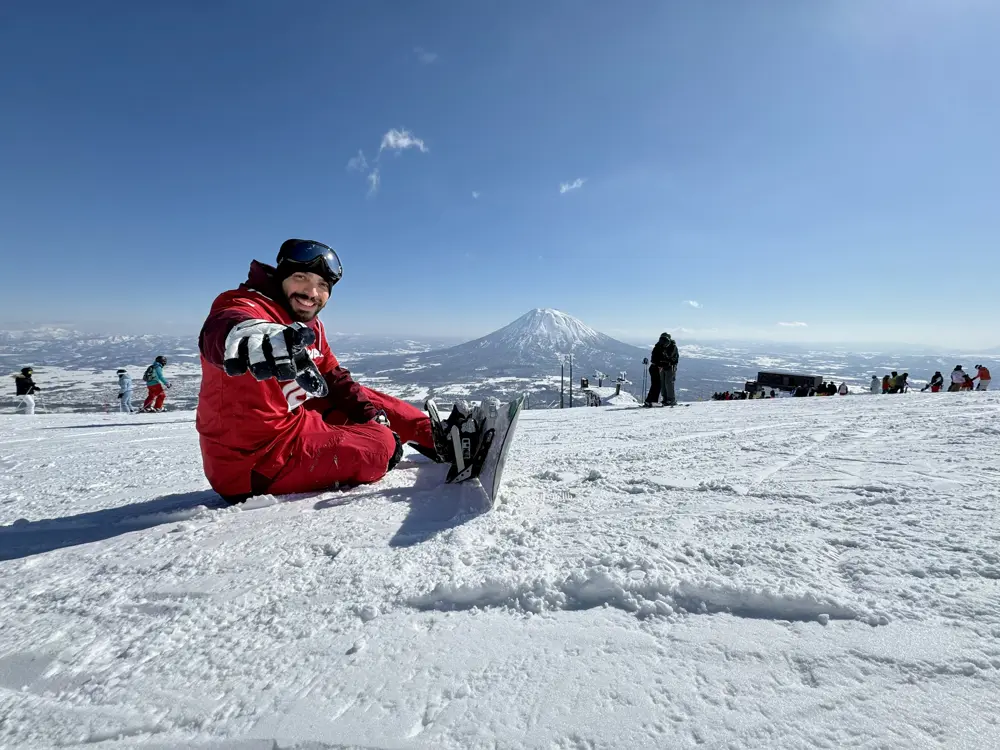
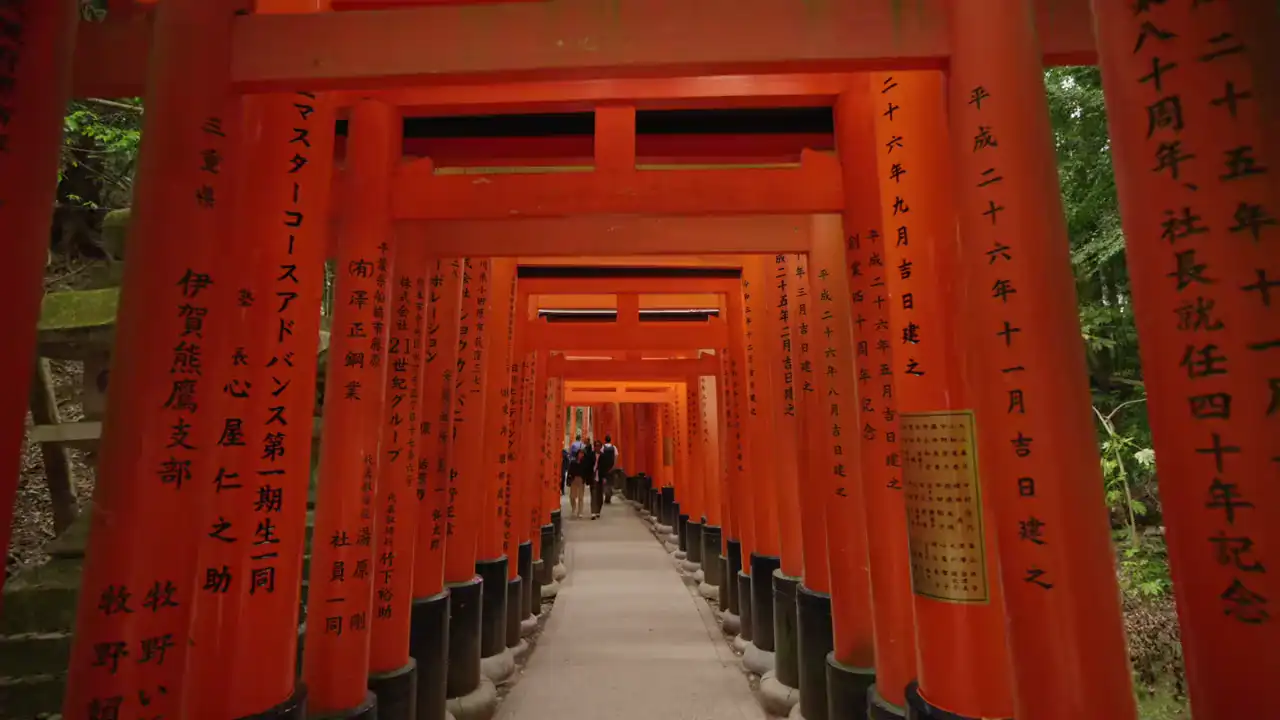
Where you go shapes your working holiday. The ski season runs from December to March in Niseko, Hakuba and the rest of Hokkaido, with lots of seasonal jobs and staff housing. Cities like Tokyo, Osaka and Kyoto have work all year round. Okinawa is busiest in the summer, and the countryside offers a quieter, more local life.
Timing matters too: see the best time to arrive.
After your working holiday
When the visa ends you either go home or switch to another status of residence, such as a work visa sponsored by an employer. You usually need a degree or relevant experience for most work visas, and the rules depend on the job, so check with the Immigration Services Agency before you plan on staying.
Helping Hand
Got the visa? Get ready for your season.
Our Season Programme gets working holiday makers ready for Japan: visa support, a Japanese CV, a pre-departure course, Japanese lessons and support all season, in English or Spanish. It costs £650, paid once your visa is granted.
Comparing ways to find work before you go? See Japan working holiday job programmes compared.
Frequently asked questions
Which countries have a working holiday agreement with Japan?
32 countries and regions, from Australia (the first, in 1980) to Malta and Italy (2026). The full list and yearly quotas are in the table on this page.
Do I need a job before I go?
No. You don’t need a job offer to get the visa, and many people find work after they arrive. Some arrange a job before they fly, especially for ski seasons, when resort roles fill early.
Can Americans get a Japan working holiday visa?
No. The United States has no working holiday agreement with Japan, so US citizens need a different visa to work there.
How long does the visa take to get?
It depends on the embassy. The UK embassy and the Australian consulates take at least five working days once they accept your application, and New Zealand about two to three weeks. Apply a month or two before you plan to fly: you then have a year from the date of issue to enter Japan.
Do I need to speak Japanese?
No. The visa has no language requirement, and many hospitality and resort jobs in international areas hire staff with little or no Japanese. Learning the basics before you go widens your choice of jobs and makes daily life much easier.
How much money do I need for a working holiday in Japan?
Embassies ask for savings to cover your first weeks, plus a return ticket or the money for one. The amount depends on your country, for example A$2,500 for Australians or NZ$3,000 for New Zealanders. Once in Japan, budget roughly ¥130,000 to ¥210,000 a month in Tokyo, and less with staff accommodation.
Can I extend a Japan working holiday visa?
Usually not. Most nationalities get one year with no extension. Australians get a first stay of 6 months and can apply to extend it in Japan, at immigration’s discretion. Some nationalities can apply for a second working holiday later instead.