Yes, you can find Niseko jobs without Japanese. Niseko is one of the few places in Japan where many seasonal roles run day to day in English, because so many guests come from overseas, though a little Japanese still makes your season easier and opens more doors.
Why Niseko is different from the rest of Japan
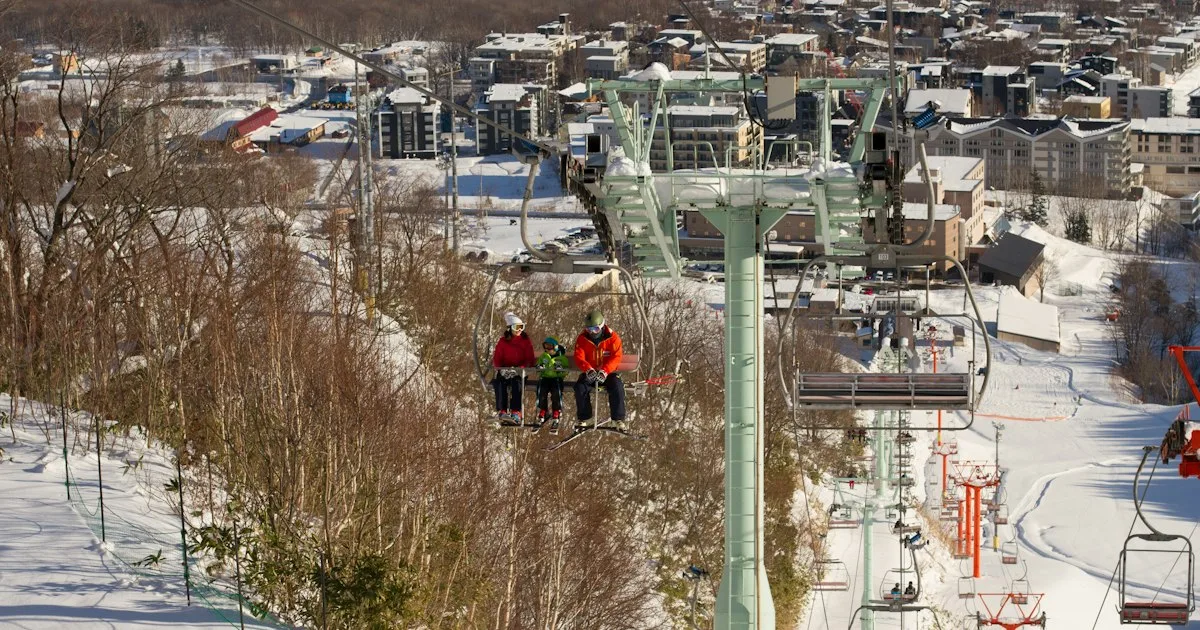
In most of Japan, a working holiday job means working in Japanese. Restaurants, shops and hotels mainly serve Japanese customers, and the team talks in Japanese from the morning briefing to the end of the shift. Niseko is an exception. Its four connected resorts, Grand Hirafu, Hanazono, Niseko Village and Annupuri, draw skiers and snowboarders from all over the world every winter, and a large share of the guests speak English rather than Japanese.
That changes what employers need. A rental shop fitting boots for a family from overseas, or a front desk checking in guests who have flown in for a week of powder, needs people who are comfortable working in English. That is a big part of why so many working holiday makers spend a season here, and why the area has such a large international community. If you have been looking at working holiday jobs in Japan and worrying that your Japanese isn't good enough yet, Niseko is the most realistic place to start.
It is not a bubble, though. You will still work alongside Japanese colleagues and managers, you will shop, bank and register your address in Kutchan, the nearby town, and some guests will be Japanese. Being able to manage basic conversations makes a real difference, as we explain below.
Niseko roles that work well without Japanese
These roles are usually the most accessible for people with little or no Japanese. Exact requirements vary by employer, so always read each job description carefully.
- Ski and snowboard rental: fitting boots, setting bindings and handling the morning rush. Most of the conversation is with overseas guests, and knowing your equipment matters more than your Japanese.
- Retail in ski and outdoor shops: helping guests choose gear, clothing and accessories. Good product knowledge and a friendly manner count for a lot.
- Lift operations: loading chairs, clearing snow and keeping queues moving. Most of the job is practical, and you pick up the instructions and safety phrases your team uses quickly.
- Housekeeping: preparing rooms and apartments between guests. It is structured, hands-on work where you learn by doing, and it is a common first role.
- Restaurant, café and bar service: many venues in Hirafu serve a mostly international crowd, so English is the working language with guests. Barista or bar experience helps.
- Kitchen support: dishwashing, prep and helping the chefs through busy services. Kitchen teams often use a mix of languages and a lot of pointing.
- Chalet and guest services: looking after guests in private accommodation, from welcomes to keeping the property running smoothly.
Many of these roles are also open to people without previous experience, as employers train new staff before the season starts. Our guide to Niseko ski season jobs covers each role in more detail, along with when the season runs and when to apply.
Roles where Japanese gives you a real advantage
Some jobs in Niseko lean much more on Japanese. These are worth aiming for if you already have some language skills, or as a goal for a second season:
- Front desk and reservations: plenty of guests speak English, but Japanese guests, phone calls, suppliers and internal systems often need Japanese. Some front desk roles ask for conversational Japanese, and bilingual staff are always valued.
- Roles at Japanese-run hotels and ryokan: where most guests are Japanese, the job is mostly in Japanese too.
- Supervisor and team leader roles: coordinating between overseas staff and Japanese management is far easier when you can speak both languages.
- Jobs in Kutchan itself: supermarkets, local restaurants and other businesses in town serve mainly local customers.
The takeaway is simple. You don't need Japanese to get started in Niseko, but every bit you learn widens your choice of roles and makes the people you work with more likely to trust you with more.
Why a little Japanese still matters
Even in an English-friendly role, Japanese helps in ways that are easy to underestimate:
- At work: your colleagues and managers may be Japanese. Greetings, thank-yous and simple questions build goodwill fast, and the habits in our guide to Japanese workplace culture matter as much as vocabulary.
- In interviews: a short self-introduction in Japanese makes a strong first impression, even when the rest of the interview is in English.
- Getting set up: registering your address at the town hall, opening a bank account and getting a phone contract all involve Japanese forms and staff who may speak limited English.
- Everyday life: reading supermarket labels, catching the right bus to Kutchan and asking for help at a clinic all get easier.
- Days off: once you leave the resort for an onsen, a trip to Otaru or a weekend in Sapporo, English becomes much less common.
How to learn enough Japanese before and during the season
You don't need to be fluent. Aim to be polite, understood and able to handle the basics. A realistic plan looks like this:
- Learn hiragana and katakana before you fly. The two phonetic alphabets take a few weeks of steady practice. Katakana in particular unlocks a surprising amount, because it is used for foreign words on menus, signs and product labels.
- Master the workplace essentials. Greetings such as ohayō gozaimasu (good morning) and otsukaresama desu (said to colleagues at the end of a shift), plus sumimasen (excuse me, sorry), arigatō gozaimasu (thank you) and wakarimashita (understood).
- Prepare a self-introduction. Your name, where you are from and what you will be doing, in a few short sentences. You will use it in interviews, on your first day and when meeting new people.
- Learn the vocabulary for your role. If you are in rental, learn the words for boots, sizes and bindings. In a kitchen, learn the names of the equipment and the phrases called out during service.
- Practise a little every day. Fifteen minutes with an app or flashcards adds up over a season. Ask colleagues how they would say something; most are happy to help.
- Use it, even badly. Order in Japanese, ask questions at the shops in Kutchan and accept that mistakes are part of learning.
For more practical phrases and strategies, our guide to breaking the language barrier at work goes further.
Getting ready to apply
Applying for a Niseko job without Japanese is mostly about showing that you are reliable, friendly and ready for a physical winter season. A few steps help:
- Get your visa sorted early. The rules differ by nationality, so start with our working holiday in Japan guide and confirm the details with the Japanese embassy or consulate where you will apply.
- Prepare a Japanese CV. Many employers expect a 履歴書 (rirekisho) in the standard Japanese format, even for English-speaking roles.
- Be honest about your level. Say what Japanese you have and that you are learning. Employers would rather know than find out on your first shift.
- Highlight transferable experience. Customer service, hospitality, retail and any time spent on skis or a snowboard are all relevant.
- Plan your arrival. The season usually runs from early December to late March, with staff arriving in late November for training. Check your housing early too; our guide to Niseko staff accommodation explains what to expect.
How Helping Hand can help
Niseko is the home of Helping Hand and our one open area, and we work with partner employers there. Our Season Programme for Niseko is designed for people who are new to Japan, including those starting with little or no Japanese. It includes:
- Visa support and a document check
- A Japanese CV (履歴書) and interview prep
- A pre-departure course and planning call
- Two Japanese lessons, so you arrive with the basics
- Support all season, from your visa application to your last day
Niseko jobs include accommodation, so you can focus on settling in. The Season Programme costs £650, and nothing is due until your visa is granted and you have finished the pre-departure course. Apply now for the Niseko Season Programme.
Planning to find your own job? Support Only (£350) gives you visa support, two Japanese lessons, a pre-departure planning call, job search guides and support all season.
Share this guide
About the author

Our Local Legend in Osaka & Kyoto
Your guide to urban Japan. Always ready to share the best spots! More about them